Scars are a natural part of the body’s healing process when the skin is injured. The severity of the injury determines how the body repairs itself and whether a scar will form. Minor injuries may heal without leaving a trace, while more severe injuries can result in scarring.
At Tania Cohen Dermatology, we understand the impact that scars can have on a person’s confidence. That’s why we offer a wide range of treatments to help improve the appearance of scars. Our experienced dermatology team provides customized treatments tailored to each patient, ensuring healthy, glowing, and blemish-free skin.
What Causes Scars?
Causes of scars can vary, but they typically occur when the deeper layers of the skin are damaged. The body responds by producing collagen fibers to repair the damage, resulting in a scar. New scars may appear pink, red, or brown, but their color can change over time.

Types Of Scars
Scars come in different types, colors, shapes, and sizes. They are a natural part of the healing process after a skin injury. It’s important to have an experienced dermatologist examine and diagnose your scar to determine the best treatment option. Our dermatologist will assess your scar and identify whether it falls into one of the following categories:
Acne Scars
Acne can lead to scarring when it damages the surrounding skin. The body produces extra collagen to repair the damage, resulting in scars. Depressed or pitted scars can form when there is too little collagen, while scars with visible bumps can form when there is too much collagen. Aging can make acne scars more visible, but our dermatology practice offers acne treatment and scar treatment to address these concerns.
Keloid Scars
Keloids are scars that result from an overly aggressive healing process. They are thick, rounded, irregular clusters of scar tissue that extend beyond the borders of the original injury. Keloids are more common in darker skin tones and can appear up to a year after the injury.
Hypertrophic Scars
Hypertrophic Scars: Hypertrophic scars also result from excess collagen production during the healing process. Unlike keloid scars, hypertrophic scars are confined to the boundaries of the injured skin. They may appear red, thick, textured, and elevated. These scars can improve over time but may require professional treatment.
Contracture Scars
Contracture scars form after a burn injury. The scar tissue pulls the skin together, causing tightness and potentially affecting muscles, joints, and tendons. Contracture scars require medical treatment.

The Treatment
What Is The Best Treatment For Scars?
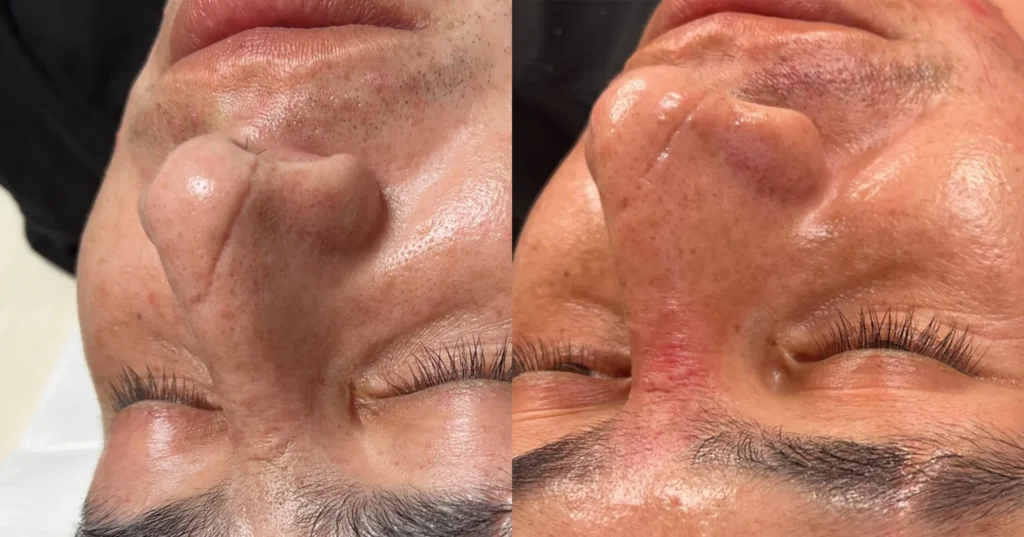
While scars cannot be completely removed, there are various treatments available to improve their appearance. Our dermatology team can help determine the best treatment option for you. Some of the treatments we offer include:
Topical Treatments
Ointments, creams, and prescription products can help heal scars. Our dermatologists may recommend these treatments in combination with other forms of treatment for optimal results.
Laser Treatments
Advanced laser technology can remove the surface layers of the skin to improve scarring. Laser treatments are non-invasive and require minimal healing time, providing noticeable results.
Cosmetic Fillers
Fillers can raise sunken or pitted scars to the level of surrounding healthy skin. While the effects are temporary, they offer immediate results and are non-invasive.
Microneedling
Microneedling stimulates collagen and elastin production by creating microscopic punctures in the skin. This encourages the body to heal itself and can be used on various areas of the body.
Chemical Peels
Medical-grade chemical peels remove the top layers of skin to reveal healthier skin and improve clarity, tone, and texture. They can be used in conjunction with other treatments for optimal results.
Scar Revision Surgery
Scar Revision Surgery: Surgical scar removal procedures can decrease the size or appearance of scars. However, they are not recommended for hypertrophic or keloid scars
When To See A Dermatologist
If you’re unsure about your scar or want to explore treatment options, it’s important to see a dermatologist. Our board-certified dermatologists will examine your scar, determine the type of scar you have, and recommend the best treatment options for you.

How To Prevent Scars
Preventing scars starts with proper wound care and skin care. Our dermatologists recommend the following tips:
- Keep your injuries clean to prevent infection and minimize scarring. Consider using petroleum jelly to keep the skin moist and prevent scabbing.
- Protect your injury with adhesive bandages after applying topical treatments to promote healing.
- Change your bandages regularly to promote healing and prevent irritation. Consider using hydrogel sheets, silicone gel, or paper tape and gauze pads for sensitive skin.
- Use sun protection daily to prevent sun damage to healing skin. Choose a zinc oxide containing sunscreen (Blue Lizard) with SPF 30 or higher and apply/reapply regularly.
Acne Scars
Acne can lead to scarring when it damages the surrounding skin. The body produces extra collagen to repair the damage, resulting in scars. Depressed or pitted scars can form when there is too little collagen, while scars with visible bumps can form when there is too much collagen. Aging can make acne scars more visible, but our dermatology practice offers acne treatment and scar treatment to address these concerns.
Keloid Scars
Keloids are scars that result from an overly aggressive healing process. They are thick, rounded, irregular clusters of scar tissue that extend beyond the borders of the original injury. Keloids are more common in darker skin tones and can appear up to a year after the injury.
Hypertrophic Scars
Hypertrophic scars also result from excess collagen production during the healing process. Unlike keloid scars, hypertrophic scars are confined to the boundaries of the injured skin. They may appear red, thick, textured, and elevated. These scars can improve over time but may require professional treatment.
Contracture Scars
Contracture scars form after a burn injury. The scar tissue pulls the skin together, causing tightness and potentially affecting muscles, joints, and tendons. Contracture scars require medical treatment.
Treatment Options
While scars cannot be completely removed, there are various treatments available to improve their appearance. Our dermatology team can help determine the best treatment option for you. Some of the treatments we offer include:
- Topical Treatments: Ointments, creams, and prescription products can help heal scars. Our dermatologists may recommend these treatments in combination with other forms of treatment for optimal results.
- Laser Treatments: Advanced laser technology can remove the surface layers of the skin to improve scarring. Laser treatments are non-invasive and require minimal healing time, providing noticeable results.
- Cosmetic Fillers: Fillers can raise sunken or pitted scars to the level of surrounding healthy skin. While the effects are temporary, they offer immediate results and are non-invasive.
- Microneedling: Microneedling stimulates collagen and elastin production by creating microscopic punctures in the skin. This encourages the body to heal itself and can be used on various areas of the body.
- Chemical Peels: Medical-grade chemical peels remove the top layers of skin to reveal healthier skin and improve clarity, tone, and texture. They can be used in conjunction with other treatments for optimal results.
- Scar Revision Surgery: Surgical scar removal procedures can decrease the size or appearance of scars. However, they are not recommended for hypertrophic or keloid scars.
If you’re unsure about your scar or want to explore treatment options, it’s important to see a dermatologist. Our board-certified dermatologists will examine your scar, determine the type of scar you have, and recommend the best treatment options for you.
Scar Care Tips
Preventing scars starts with proper wound care and skin care. Our dermatologists recommend the following tips:
- Keep your injuries clean to prevent infection and minimize scarring. Consider using petroleum jelly to keep the skin moist and prevent scabbing.
- Protect your injury with adhesive bandages after applying topical treatments to promote healing.
- Change your bandages regularly to promote healing and prevent irritation. Consider using hydrogel sheets, silicone gel, or paper tape and gauze pads for sensitive skin.
- Use sun protection daily to prevent sun damage to healing skin. Choose a zinc oxide containing sunscreen (Blue Lizard) with SPF 30 or higher and apply/reapply regularly.
Personalized Skin Care Starts Here